On-Farm Organic Compost: THE Alternative
On-Farm Organic Compost: THE Alternative for healthy soil without the need for offshore fertilizer.
New Zealand agriculture, along with the rest of the world, is not immune from global political events.
Following the outbreak of the war in Iran and resulting geopolitical disruptions to the Strait of Hormuz, imported nitrogen and phosphate fertilizers have surged in price across New Zealand, rising anywhere from 30% to 50%.
Nitrogen-based products experienced the most aggressive price hikes due to severe regional production outages and high reliance on Middle Eastern exports.Granular Urea (Global Benchmark): Surged 80%, climbing from roughly $400 per metric ton before the conflict to over $750–$850 USD per metric ton by April/May 2026.
As a result, the comparative cost-effectiveness of on-farm compost has improved drastically, though it remains a long-term investment rather than a quick nutrient fix.
Cost Breakdown: Compost vs. Imported Fertilizer for Organic Compost (NZ)
Fertilizer prices remain tied to volatile global energy markets, shifting the economics. Imported Synthetic Fertilizer (e.g., urea) historically accounts for about 12% of farm expenditure, but nitrogen prices have become highly volatile. With urea and phosphate prices often surging, spot-market dynamics are squeezing per-hectare margins for Kiwi dairy, arable, and sheep/beef farms.
On-farm or bulk compost: Buying and spreading bulk compost typically costs NZ$25–$50 per tonne plus freight, translating to application costs of hundreds of dollars per hectare depending on crop or pasture needs.
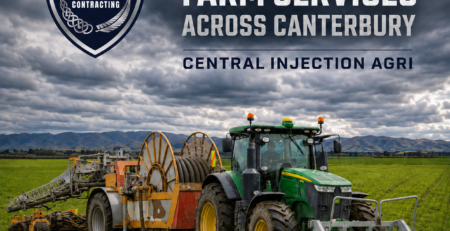
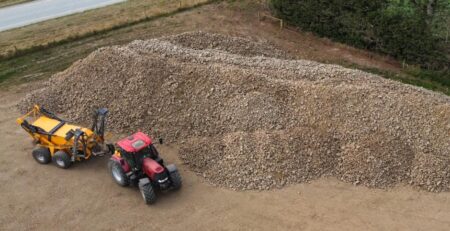
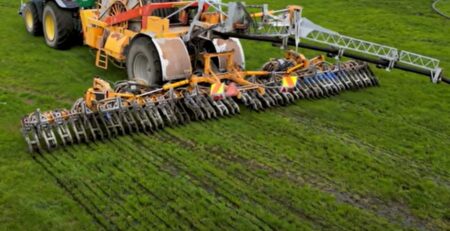
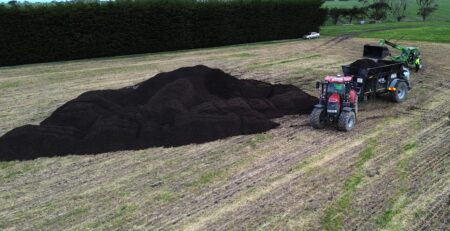
Central Injection Agri has been on the front foot actively developing cost-effective systems to obtain local green waste, process it, and disperse organic compost to farms throughout South Canterbury. We serve as the missing link for farmers seeking to reduce reliance on price-setting by international companies and their unpredictable price fluctuations.
On-farm composting is increasingly being adopted as a practical solution since the price hike of synthetic fertilsers.
Composting is a controlled biodegradation process, distinct from the uncontrolled rotting that occurs in offal pits. By managing aeration, moisture and carbon-to-nitrogen ratios, composting accelerates the breakdown of organic matter into a stable, useful by-product that can improve your soil structure.
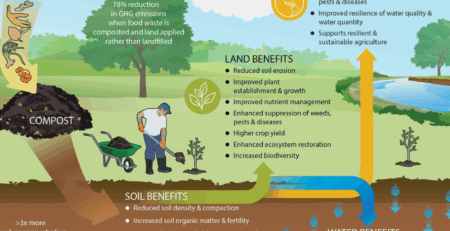
Although the upfront cost of compost is higher than synthetic fertilizers, compost provides slow-release nutrients and builds soil organic matter, improving water-holding capacity and long-term soil health. Central Injection Agri, based in South Canterbury, has purpose-built machinery that can offset some upfront costs. Contracting Central Injection Agri to disperse organic compost effectively can reduce labor and equipment costs associated with switching to compost.
Key Advantages of Compost Since the Crisis
Insulation from Geopolitics: On-farm compost utilises local biological resources from households’ green waste and farm waste rather than relying on petrochemical-heavy global supply chains and vulnerable Middle Eastern shipping lanes.
Yield Increases: In many high-value cropping systems, the yield improvements from soil conditioning help compost offset the higher up-front spreading costs.
Strategic Disadvantages
Slow Nutrient Release: Compost releases nitrogen, phosphorus, and potassium much more slowly than synthetic fertilizers. It cannot be relied upon for rapid tactical boosts in pasture growth, particularly during early spring.
Logistics & Labour: Managing, turning, and spreading large volumes of compost can require significantly more heavy machinery, diesel, and logistical effort. This barrier can be significantly reduced when this is outsourced to local agricultural contractors such as Central Injection Agri, who are already set up to execute this work decisively and effectively.
Local Action & Tools for Canterbury Farmers
In the current rural inflation environment, input comparisons benefit from a localised analysis. Contact Tom at 027 358 0711 from Central Injection Agri to explore reducing reliance on volatile international fertilizer costs and moving toward a more organic approach with compost on your farm.