Effluent Pond Stirring in Ashburton: Maximising Nutrient Value for Mid Canterbury Farms
Every cubic metre of unstirred effluent sitting in an Ashburton pond represents roughly NZ$25 in lost nutrient value as solids settle and essential minerals become trapped. For Mid Canterbury dairy farmers, a crusted pond isn’t just a storage headache; it is a direct hit to the bottom line. You likely already feel the pressure of rising synthetic fertiliser costs while trying to navigate ECan’s strict nitrogen application limits. It is a difficult balance to maintain when blocked pumps and irrigator nozzles constantly stall your progress during peak season.
Professional effluent pond stirring NZ services offer a grounded, reliable solution to these operational bottlenecks. This guide explains how mechanical stirring transforms stagnant waste into a high-value, homogenous slurry ready for precision injection. You will discover how to maximise the NPK value of your existing waste while ensuring your farm remains fully compliant with regional council regulations. We will break down the technical process of turning a storage liability into a liquid asset that flows seamlessly through your infrastructure.
Key Takeaways
- Transform dairy waste into high-value fertiliser by effectively breaking up pond crusts and suspending solids for uniform nutrient application.
- Learn how professional homogenisation ensures even nitrogen and phosphorus distribution, helping your farm maintain strict Canterbury environmental compliance.
- Assess the operational advantages of hiring professional effluent pond stirring NZ services over the high maintenance costs and capital expenditure of owning equipment.
- Identify the optimal seasonal timing and site preparation requirements to ensure your pond stirring is efficient and safe for heavy machinery.
- Partner with local Ashburton specialists who combine technical authority with a “get the job done right” approach to maximise your farm’s productivity.
Why Effluent Pond Stirring is Critical for Ashburton Dairy Systems
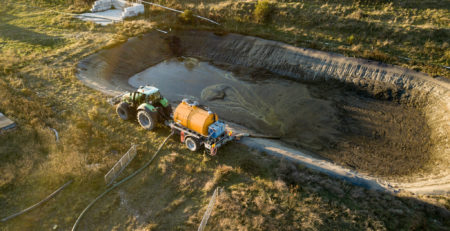
Effluent pond stirring NZ is a vital mechanical process that ensures your dairy waste remains a functional asset rather than a liability. The process involves using high-powered agitators to break through the thick surface crust and lift settled solids back into suspension. In Mid Canterbury’s high-production dairy systems, where herds often exceed 500 cows, the volume of organic matter entering storage ponds is substantial. Without regular intervention, these solids quickly settle into a dense layer, creating what engineers call dead storage. This reduction in usable space forces farmers to manage their ponds more frequently, often at the most inconvenient times of the season.
Ashburton dairy farmers face unique challenges due to the local climate and intensive farming models. With annual rainfall averages between 700mm and 800mm, ponds can fill rapidly during the winter months. If a pond has 30% sludge build-up, its ability to handle a significant weather event is compromised. Professional stirring transforms this waste into a consistent, pumpable fertiliser. Understanding The Science of Liquid Manure is essential for modern farming. It highlights that nutrients like nitrogen and phosphorus are only beneficial when they’re evenly distributed. Stirring ensures you’re applying liquid gold to your paddocks rather than just dirty water.
The Problem with Crusted and Sludged Ponds
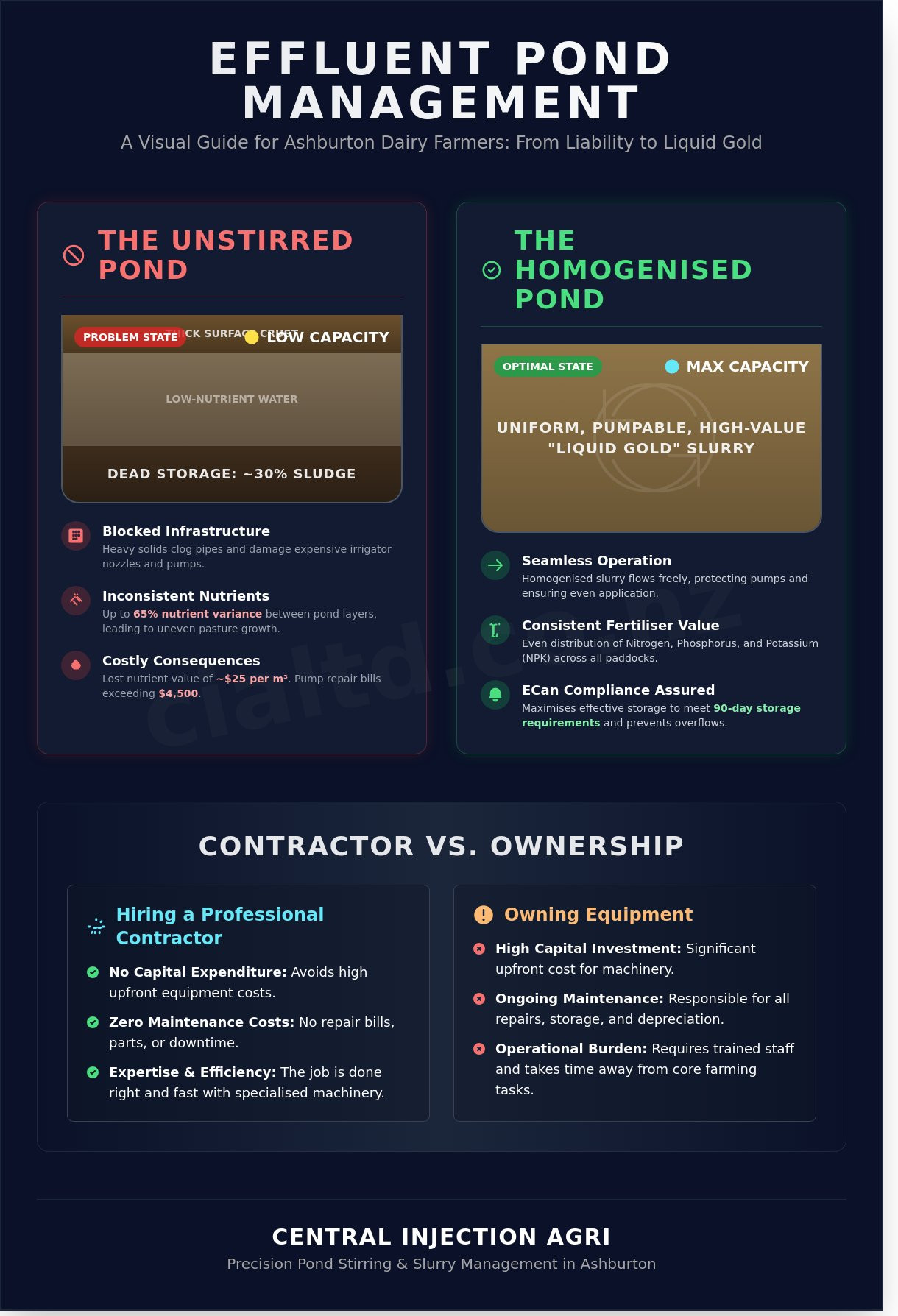
A thick crust on an effluent pond acts like a seal, preventing natural aeration and significantly increasing methane emissions. This anaerobic environment isn’t just an environmental concern; it creates a mechanical nightmare. Thick sludge puts immense strain on standard centrifugal pumps. We’ve seen cases where un-stirred solids lead to pump seal failures and motor burnouts, resulting in emergency repair bills exceeding NZ$4,500. Furthermore, un-stirred ponds lead to highly uneven nutrient distribution. You might find some paddocks receive excessive nitrogen while others get almost none, which disrupts your pasture growth cycles and ruins your nutrient budget accuracy.
- Mechanical Integrity: Stirring prevents heavy solids from clogging intake pipes and damaging expensive irrigation hardware.
- Nutrient Consistency: Homogenised effluent ensures every hectare receives the same fertilising value.
- Odour Control: Breaking the crust and aerating the liquid reduces the foul smells often associated with anaerobic ponds.
Storage Capacity and ECan Compliance
Environment Canterbury (ECan) maintains strict regulations regarding effluent storage and application. Most Mid Canterbury farms are required to have enough storage to last through the wet winter months when soil moisture levels are too high for irrigation. If your pond is half-full of settled sludge, you’re effectively operating with half the storage you’ve invested in. This lack of capacity leads to accidental overflows during heavy rain, which can result in significant fines and environmental damage. We focus on helping farmers maintain their “effective storage volume,” which is a critical metric for compliance. Effective storage volume is the total pond size minus the settled sludge layer.
Maintaining a clear, stirred pond is the most reliable way to stay within your land use consent conditions. It’s about being proactive rather than reactive. By integrating effluent pond stirring NZ into your seasonal maintenance schedule, you ensure your system is ready for the 90-day storage requirements typical of the Canterbury region. It’s a straightforward approach to a complex problem, ensuring your infrastructure works as hard as you do. We believe in getting the job done right the first time to protect both your farm’s reputation and its bottom line.
The Science of Homogenisation: Unlocking Nitrogen and Phosphorus
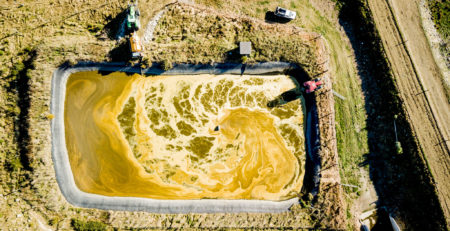
Think of your effluent pond as a liquid fertiliser bank. Like any high-value asset, it requires active management to yield the best returns. Without regular effluent pond stirring NZ dairy systems often suffer from nutrient stratification. This physical separation occurs when heavier solids and phosphorus sink to the pond floor while lighter, nitrogen-poor liquids remain at the surface. A 2023 analysis of Mid Canterbury dairy ponds found that unstirred storage can exhibit a 65% variance in nitrogen concentration between the top and bottom layers. This inconsistency makes precision farming impossible.
Effective stirring creates a homogenous slurry where nutrients stay in suspension. Nitrogen (N) is closely tied to the organic solids within the effluent. If you only pump the liquid off the top, you’re essentially applying “dirty water” with minimal growth-promoting value. Conversely, pumping the thick sludge from the bottom without mixing leads to nutrient overloading, which risks leaching and non-compliance with Environment Canterbury (ECan) regulations. Following Best Practices for Effluent Systems ensures that your storage remains a functional tool for pasture production rather than a liability.
Phosphorus (P) management is equally dependent on mechanical agitation. Phosphorus is notoriously heavy and settles quickly. In a typical 3-million-litre pond, up to 80% of the total phosphorus can settle into the bottom 600mm of sludge within a single season. Stirring breaks up this P-rich layer, ensuring this essential mineral is distributed across your paddocks rather than sitting uselessly at the bottom of your pond.
Nutrient Consistency for Precision Application
Inconsistent effluent application shows up clearly as “striping” in your pasture growth. These visible bands of dark green and pale yellow indicate where nutrient delivery was either too high or too low. For Ashburton farmers using direct slurry injection or modern pivot systems, a uniform mix is vital. Solids that aren’t properly homogenised can clog injectors and nozzles, leading to expensive mechanical downtime. By ensuring a consistent mix, you can provide accurate data for your Farm Environmental Plan (FEP), proving that your application rates match your soil’s actual requirements.
Reducing Volatilisation and Odour
Stagnant ponds often turn anaerobic, leading to the buildup of hydrogen sulphide and ammonia. When you finally pump an unstirred pond, the sudden disturbance releases a concentrated “odour spike” that can strain relationships with your Ashburton neighbours. Regular effluent pond stirring NZ helps manage the pond’s biological state. This process reduces ammonia volatilisation, which is the loss of nitrogen to the atmosphere as a gas. By keeping the nitrogen in the liquid, you’re keeping the value in the slurry. CIA’s stirring services focus on maintaining this balance, ensuring your farm stays efficient and your local reputation remains intact. Our team provides the specialised equipment and expertise needed to turn your effluent into a predictable, high-performing fertiliser.
Reliability in nutrient management isn’t just about the hardware; it’s about the methodology. We’ve seen that farms implementing a scheduled stirring program before every pumping event increase their usable nitrogen units by an average of 18% per hectare. This is a direct saving on synthetic fertiliser costs that goes straight to the bottom line.
Hiring an Effluent Stirring Contractor vs. Buying Your Own Equipment
Deciding between purchasing a stirrer or hiring a professional service is a critical financial choice for Ashburton farmers. A high-quality PTO-driven or electric stirrer typically requires a capital investment between NZ$18,000 and NZ$35,000. This upfront cost doesn’t account for the rapid depreciation or the cost of the tractor tied up during operation. Contracting shifts this burden to a predictable operational expense. You only pay for the service when the pond requires processing. This tactical approach ensures you aren’t maintaining a machine that sits idle and corrodes for 330 days of the year.
Effluent ponds are notoriously harsh environments. Ammonia and hydrogen sulfide gases degrade metal components and seals at an accelerated rate. A farm-owned stirrer often faces seized bearings or hydraulic failures exactly when the pumping window opens. Professional effluent pond stirring NZ services utilize industrial-grade equipment built for constant immersion. CIA maintains a rigorous servicing schedule; our gear arrives on-site in peak condition. This reliability eliminates the frustration of mid-season breakdowns and the hidden costs of emergency repairs.
The ROI of Professional Contracting
Hiring CIA provides an immediate return by freeing up your staff and machinery during peak periods. A standard farm-scale stirrer might take 48 hours to reach a homogenous mix in a large pond. Our high-thrust industrial units often achieve the same consistency in 6 to 10 hours. This 75% reduction in stirring time allows for faster pumping and more precise nutrient application. Good effluent management relies on getting the right nutrients to the paddock when the soil is ready. By using a contractor, you avoid the NZ$160 hourly cost of running your own tractor and the significant wear on its PTO system.
Safety and Infrastructure Considerations
Operating heavy machinery near pond banks carries inherent risks. Soil stability across Mid Canterbury varies; a 2-tonne stirrer can compromise bank integrity if it isn’t positioned with precision. Our operators bring technical expertise to every job, prioritizing site safety and infrastructure protection. We’re especially focused on synthetic pond liners. Replacing a punctured HDPE liner can easily exceed NZ$60,000 in material and labor costs. CIA uses specialized positioning techniques to ensure the stirrer blades never contact the liner surface.
Modern, high-thrust equipment delivers the power needed to shift heavy solids that older, smaller farm units simply can’t move. You get a deep, consistent mix without risking the structural integrity of your storage system. Our process is disciplined and methodical, mirroring the standards we apply to our construction and acoustic projects. We don’t just stir the pond; we manage the risk associated with one of your farm’s most expensive assets. This professional oversight provides peace of mind that DIY effluent pond stirring NZ simply cannot match.
Preparing Your Mid Canterbury Farm for Efficient Pond Stirring
Ashburton farmers know that timing is everything when managing a seasonal workload. Effective effluent pond stirring NZ requires a strategic window of opportunity before your main pumping season begins. In Mid Canterbury, this typically falls in late August for spring application or March for autumn spreading. You want the solids fully suspended to ensure every hectare receives an even nutrient load. If you wait until the pond is at 95% capacity, you’ve left it too late; you need enough freeboard to allow for the vigorous action of the stirrer without risking an overflow.
Site Access and Safety for Contractors
Your contractor arrives with heavy, specialized gear, often a 150-horsepower tractor and a long-reach stirrer. They need a stable, level platform to operate from. Ensure the pond perimeter has a minimum 4-meter clear track width to allow the machinery to maneuver safely. Soft edges lead to accidents; ensure the ground is compacted and can support 8 to 10 tonnes of machinery weight. It’s a good idea to move stock to an adjacent paddock 12 hours before arrival to prevent interference or stress to the animals.
Clear communication is your best defense against project delays. Clearly mark the location of pond liners and buried PVC pipes with high-visibility stakes. Damaging a 1.5mm HDPE liner is a costly mistake that halts the entire operation and risks environmental non-compliance. If your pond uses a synthetic liner, tell the contractor exactly where the ballast or weights are located so they can adjust their depth accordingly.
Don’t overlook the small details that cause big delays. Check your camlock fittings and suction lines for any signs of degradation. A leaking seal or a blocked intake pipe wastes time and burns expensive diesel. It’s best practice to replace any worn 100mm or 150mm gaskets before the contractor pulls onto the farm. If you’re using a shore-mounted pump, ensure the power supply is tested and the isolation switch is accessible.
Integrating Stirring into Your Nutrient Management Plan
Modern dairy farming requires precise data for ECan Farm Environment Plans. Stirring ensures the slurry is a homogenous mix, which makes your nutrient testing far more accurate. When the consistency is uniform, your lab results for Nitrogen, Phosphorus, and Potassium (NPK) levels actually reflect what’s hitting the pasture. This data is essential for your annual reporting and helps you stay within the 190kg N/ha/year cap.
Coordinate your stirring schedule with Ashburton’s soil moisture levels. Use data from your Aquaflex or similar soil moisture sensors to ensure the ground can actually absorb the nutrients. Stirring should ideally occur 24-48 hours before the main pumping event begins. This timeframe keeps the solids in suspension without allowing them to resettle at the bottom of the pond. This precision ensures you’re not just moving water, but delivering a high-value fertilizer that drives dry matter growth.
Ready to optimize your farm infrastructure for better performance? Contact our reliable team at CIA to discuss how we support Mid Canterbury’s agricultural sector with high-quality construction and specialized project management.
Central Injection Agri: Precision Pond Stirring and Slurry Management in Ashburton
Central Injection Agri (CIA) operates as a dedicated partner for Mid Canterbury dairy farmers, providing specialized slurry and effluent handling services that transform waste into a high-value biological asset. Based in Ashburton, our team understands the unique pressures of local farming, from environmental compliance to the rising costs of synthetic fertilizers. We focus on delivering a service that’s reliable, technically sound, and grounded in the “get the job done right” attitude that Canterbury farmers expect. Our 100% New Zealand owned and operated status isn’t just a label; it’s a commitment to local accountability and long-term relationships within the agricultural community.
Our Equipment and Expertise
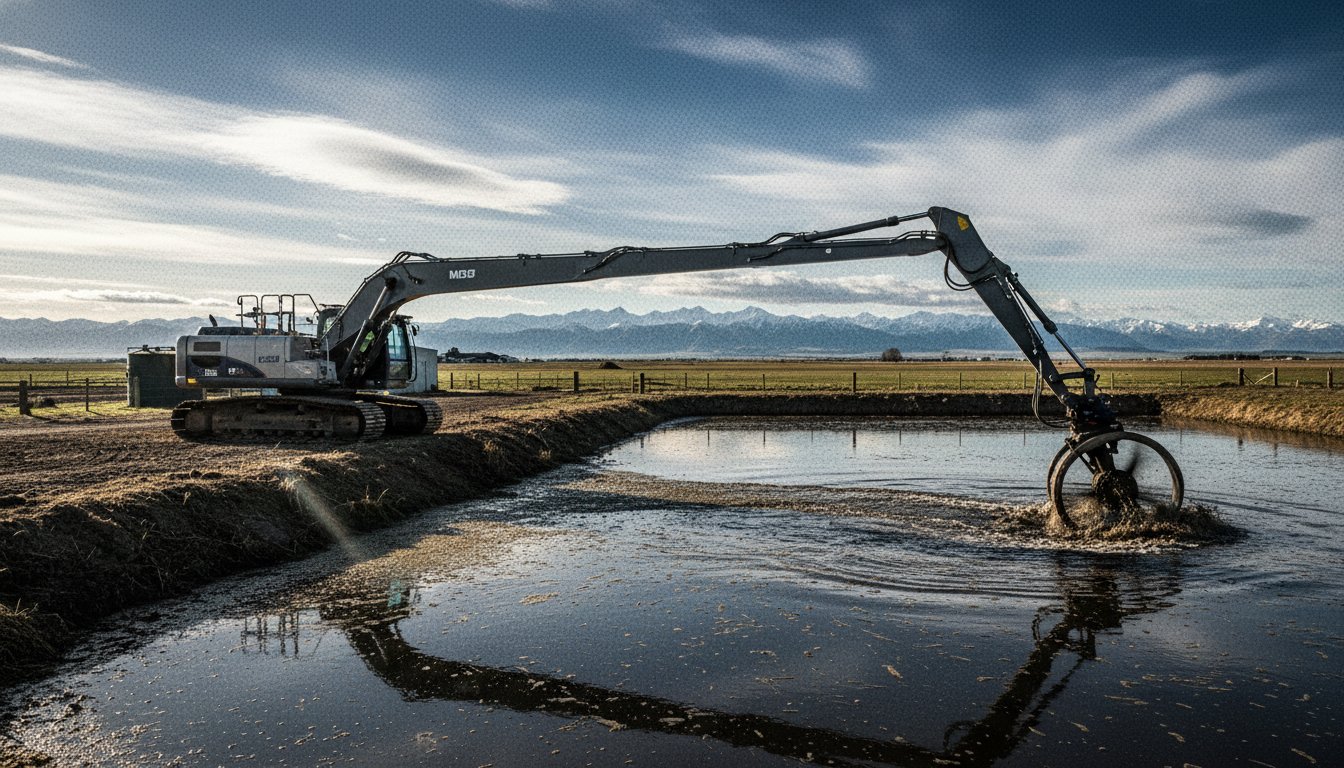
Success in nutrient management begins with total homogenization. Our team utilizes high-performance stirring equipment equipped with high-thrust, shrouded propellers. These units are designed to move massive volumes of liquid, breaking up thick crusts and suspended solids that often settle at the bottom of storage facilities. By creating a consistent consistency throughout the pond, we ensure that the nutrient profile remains uniform during the pumping process. This technical precision provides farms with access to professional effluent pond stirring NZ services that deliver measurable results.
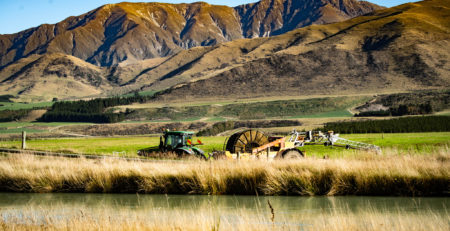
Our experience covers a diverse range of infrastructure across the region. We’ve managed hundreds of Mid Canterbury ponds, ranging from traditional clay-lined saucers to sophisticated, 5-meter deep synthetic-lined reservoirs. We prioritize safety and asset protection, ensuring our stirring methods don’t damage expensive liners. Our service area is extensive, reaching from Rangiora in North Canterbury down to the rugged terrain of Mt Somers. This regional footprint allows us to respond quickly to seasonal demands, ensuring your pond is ready for application exactly when the soil conditions are optimal.
- Shrouded Propeller Technology: Increases flow efficiency and prevents vortexing.
- Deep Pond Capability: Specialized reach for modern, high-capacity storage units.
- Liner Protection: Expert operation to prevent mechanical damage to synthetic membranes.
- Regional Reach: Full coverage from Rangiora to Mt Somers and throughout Ashburton.
From Pond to Paddock: The Complete Service
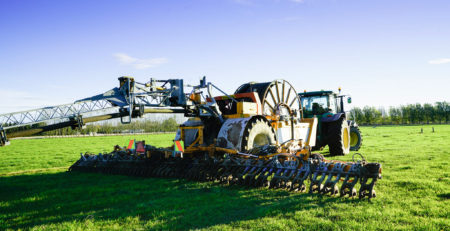
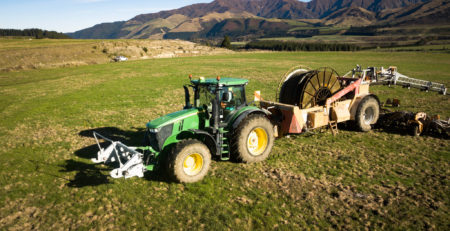
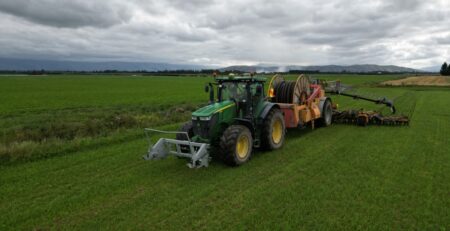
The “CIA Difference” lies in our ability to provide a seamless transition from the pond to the paddock. We don’t just stir the effluent and leave; we integrate our agitation services with our Vervaet direct injection machinery. This single-contractor approach eliminates the logistical headaches of coordinating multiple parties. When we agitate the pond, we’re preparing it for immediate, precision application. Direct injection is a superior method that places nutrients directly into the root zone, which significantly reduces nitrogen volatilization and eliminates the unpleasant odors associated with traditional spray irrigation.
Choosing a single partner for both stirring and application ensures a higher level of nutrient accountability. Optimizing your effluent pond stirring NZ schedule ensures that every cubic meter of slurry applied to your pasture contains a balanced mix of nitrogen, phosphorus, and potassium. This methodical approach helps farmers reduce their reliance on imported fertilizers, directly improving the farm’s bottom line. We take pride in our role as a collaborative partner, helping you manage your effluent with the same level of detail you apply to your herd management or crop rotation.
Effective effluent management is about more than just compliance; it’s about maximizing the natural resources already present on your farm. Our team is ready to help you unlock that value through professional agitation and injection services. Contact Central Injection Agri today for a quote on pond stirring in Ashburton and experience a service built on integrity, technical authority, and local expertise.
Optimise Your Mid Canterbury Nutrient Management Today
Effective effluent management transforms a waste product into a high-value fertiliser asset. By achieving total homogenisation, you ensure that nitrogen and phosphorus are distributed evenly across your pasture. This process prevents the build-up of heavy sludge that can reduce your pond’s storage capacity by up to 25% over a single season. Central Injection Agri provides the specialised high-thrust equipment needed to break down crusts and suspend solids effectively. As a proudly NZ owned and operated company, we understand the specific environmental standards Mid Canterbury farmers must meet in 2024. Choosing professional effluent pond stirring NZ services allows you to focus on your core dairy operations while we handle the technical slurry management. We serve Ashburton, Rakaia, and the wider Canterbury region with a commitment to reliability and technical precision. Our team ensures your system remains compliant and your nutrient application is accurate. It’s time to turn your effluent pond into a strategic advantage for your farm’s productivity.
Get a Quote for Professional Effluent Pond Stirring
Frequently Asked Questions
How long does it take to stir a standard dairy effluent pond?
Stirring a standard dairy effluent pond typically takes between 2 and 4 hours to achieve a homogenous consistency. This timeframe depends on the pond size and the thickness of the accumulated solids. For a 1.5 million litre storage facility, our high-performance stirrers often complete the task in under 180 minutes. We focus on efficiency to ensure your pumping schedule remains on track without unnecessary downtime.
Will stirring my pond damage the synthetic liner?
Professional effluent pond stirring NZ services utilize specialized equipment designed to operate safely above synthetic liners without causing punctures. Our team uses prop-guarded stirrers that maintain a safe 500mm clearance from the pond floor and walls. This technical precision protects your infrastructure investment while ensuring 100% of the nutrients are suspended for pumping. We prioritize site safety and asset integrity in every Ashburton project.
How often should I have my effluent pond stirred?
You should stir your effluent pond at least twice a year or every time you intend to pump to the irrigator. Regular agitation prevents the build-up of heavy solids which can reduce your storage capacity by up to 25% over a single season. By maintaining a consistent schedule, you ensure the nutrients remain accessible and the pond depth stays at its 100% engineered specification.
Can CIA stir my pond if it has a very thick crust?
CIA has the technical capability to break down and incorporate crusts even when they exceed 600mm in thickness. Our heavy-duty agitation equipment is built for the demanding conditions of Mid Canterbury farms. We transform thick, stagnant layers into a fluid slurry that flows easily through your distribution system. This process restores your pond’s functional volume and improves your overall nutrient management strategy.
Does stirring help meet Environment Canterbury (ECan) nitrogen limits?
Accurate effluent pond stirring NZ helps you comply with Environment Canterbury (ECan) Farm Environment Plan requirements by ensuring a consistent nitrogen concentration during application. When solids are properly suspended, you avoid nitrogen hot spots that occur when pumping un-stirred sludge. This precision allows you to apply nutrients at the correct rate, helping you stay within the 150kg N/ha/year limit for pastoral land.
What is the best time of year to stir an effluent pond in Mid Canterbury?
The optimal times for stirring in Mid Canterbury are August for early spring growth and late March before winter storage requirements peak. Stirring in August prepares the pond for the first application of the season when grass demand for nutrients increases by 40%. We recommend scheduling your service 24 hours before your planned pumping date to maximize the suspension of organic matter and minerals.
Do I need to be present while the CIA team is stirring the pond?
You don’t need to be present while the CIA team performs the stirring, as our operators are fully trained in site-specific safety protocols. We provide a seamless service that allows you to focus on other farm management tasks. Once the job is finished, we provide a report on the pond condition. Our reputation as a reliable New Zealand owned and operated partner means you can trust us to get the job done right.