A Beginner’s Guide to Slurry Applications
A Beginner’s Guide to Slurry Applications for New Zealand Farms from Central Injection Agri.
Introduction If you’re managing a dairy, beef, or mixed-use farm in New Zealand, understanding slurry applications is essential for productive pastures, cost efficiency, and environmental stewardship. This beginner’s guide from CIA Ltd (cialtd.co.nz) breaks down the basics of slurry, planning steps, common application methods, safety considerations, and regulatory tips to help you get nutrient-rich value from your waste without risking the environment or your bottom line.
What is slurry and why it matters:
Definition: Slurry is a semi-liquid mix of animal manure, water, and often bedding, used as a nutrient-rich fertilizer for soils.
Why it matters: It recycles nutrients back to your fields, boosts soil health, and can reduce reliance on synthetic fertilizers when managed within a proper nutrient plan.
NZ-specific context: Good slurry management helps protect waterways, meet environmental regulations, and align with best-practice farming in diverse NZ climates.
Key terms you’ll encounter
Nitrogen (N), Phosphorus (P), Potassium (K): The primary nutrients in slurry that feed crops.Dry matter (DM): The solid portion of slurry; affects handling, storage, and application rate.Application window: The best times to apply slurry for maximum uptake and minimal losses.
Application methods: Surface broadcast, near-surface injection, banding, trailing hose, deep injection.
Nutrient budgeting: Planning how much slurry your soil and crops need to avoid waste or over-application.
Setbacks and containment: Distances from watercourses, wells, and sensitive areas mandated by NZ rules.
Consent and reporting: Regulatory requirements for larger-scale slurry handling and land application.
Slurry application methods explained
Surface broadcast: Spreading slurry on the soil surface; easy to apply but may incur volatilization losses if not managed properly.
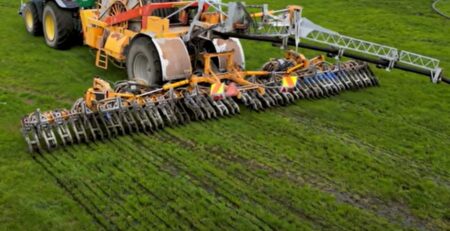
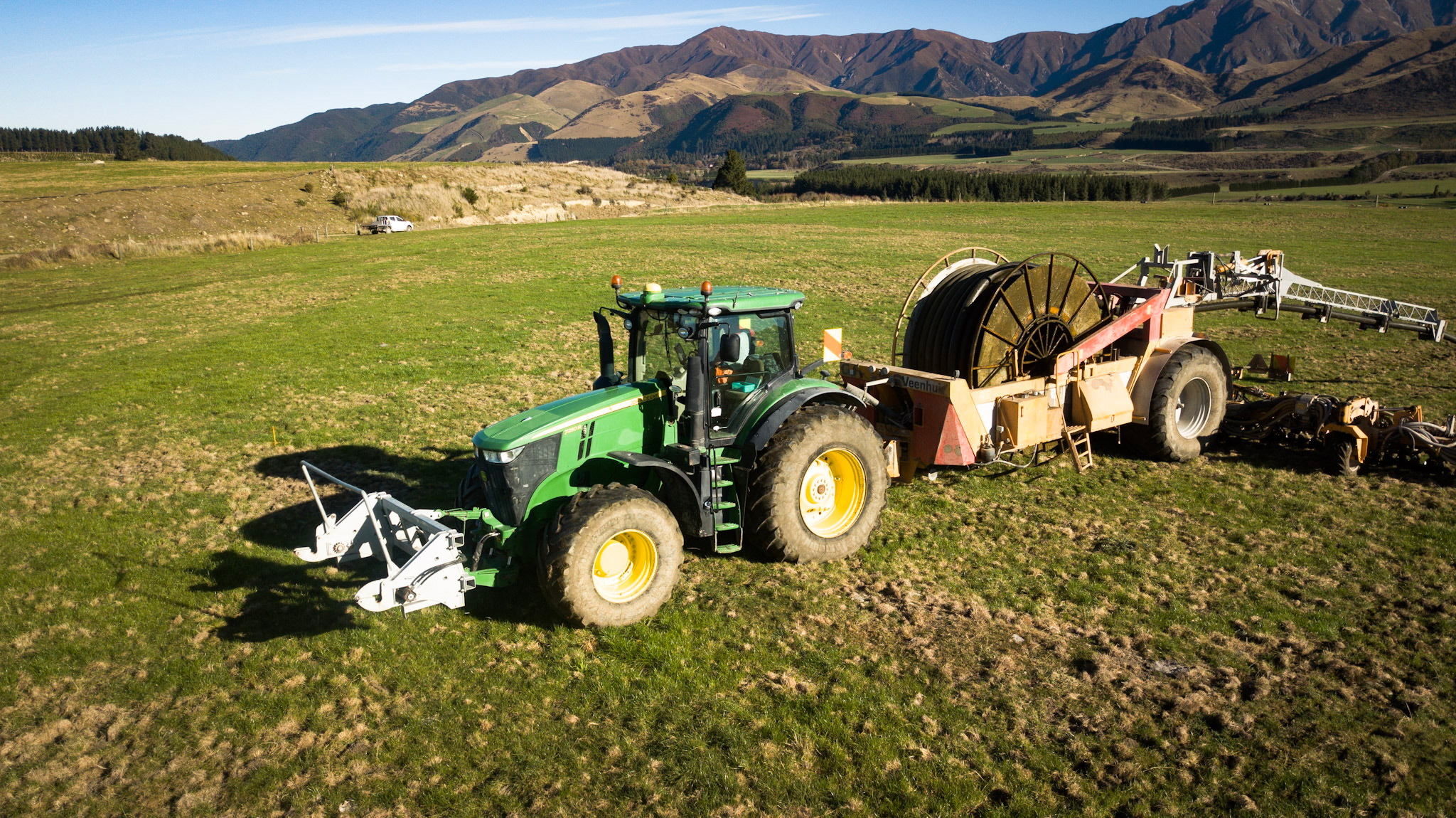
Near-surface injection: Injecting slurry just below the soil surface to reduce odour and losses, requiring specialized equipment.
Band application: Narrow bands placed at specific depths or distances from seeds; improves nutrient use efficiency.
Trailing hose systems: Slurry pumped through hoses with a trailing applicator near the ground; reduces drift and odour.
Deep injection: Placing slurry deeper in the soil; high nutrient efficiency but more intensive equipment and soil disturbance. To find out more click here
Planning your slurry application (a practical checklist)
Start with soil tests: Determine baseline NPK, pH, soil texture, and organic matter.
Set crop targets: Decide how much NPK your crop or pasture needs based on soil results and growth stage.
Estimate slurry nutrient content: Know the N, P, K per unit volume and the DM percentage.
Calculate rates: Convert nutrient targets into a per-hectare slurry application rate that matches your slurry’s composition.
Choose the method: Select surface, injection, banding, or trailing hose based on field conditions, crops, and environmental considerations.
Schedule with weather in mind: Plan within suitable weather windows to minimize runoff and compaction.
Equipment check: Ensure pumps, hoses, injectors, and containment are ready and calibrated.
Safety, compliance, and environmental care
Operator safety: Use appropriate PPE, follow site-specific safety protocols, and ensure equipment has up-to-date maintenance.
Environmental protection: Avoid applying during heavy rain, near watercourses, or on frozen or waterlogged soils.
Regulatory compliance: Stay current with NZ environmental regulations, consents, and reporting requirements for slurry handling and land application.
Water and soil protection: Use buffer zones, erosion control, and nutrient budgeting to minimize nutrient losses.
Central Injection Agri: Leading Slurry and Manure Expertise in New Zealand
Central Injection Agri is your trusted local authority in slurry and manure management. Tom and his team are dedicated to making slurry application straightforward and reliable for any farm. We deliver comprehensive services—from effluent tank maintenance, stirring, and emptying, to both liquid slurry injection and solid muck spreading—driven by a commitment to efficiency, safety, and environmental stewardship.
With more than 25 years of hands-on experience on Canterbury farms, we bring unparalleled practical know-how to every job. Our seasoned team works across all weather and field conditions, delivering high-quality results so you can focus on what matters most—farming your land. Trust Central Injection Agri to get the job done right, on time, and with the minimum disruption to your operations.
Canterbury’s trusted leaders in slurry and manure management.