Slurry Injection Services Canterbury: The 2026 Guide to Precision Effluent Management
What if your effluent pond wasn’t just a compliance headache, but a resource capable of cutting your synthetic nitrogen bill by up to NZ$15,000 this season? Most dairy farmers across Mid Canterbury and Ashburton know the frustration of watching valuable nutrients literally evaporate when using traditional splash plates. You’re likely feeling the pressure of tightening regional nitrate limits, which now require more precise nutrient management than ever before. Utilizing professional slurry injection services Canterbury wide is no longer a luxury; it’s a strategic necessity for high-performing farms across Mid and North Canterbury. As Central Injection Agri, we understand that getting the job done right means keeping your nutrients in the soil, not the air.
This guide shows you how direct injection can slash your fertilizer costs, eliminate neighbor complaints about odour, and deliver a measurable 15% boost in pasture dry matter. We’ll examine the latest 2026 precision technology and how dairy farm support services are helping operators in areas like Ashburton, Rangiora, and Rakaia stay fully compliant while improving their bottom line through reliable, partnership-based management.
Key Takeaways
- Learn why direct injection is replacing splash plates as the industry standard for meeting strict Canterbury nitrate regulations while eliminating odour issues.
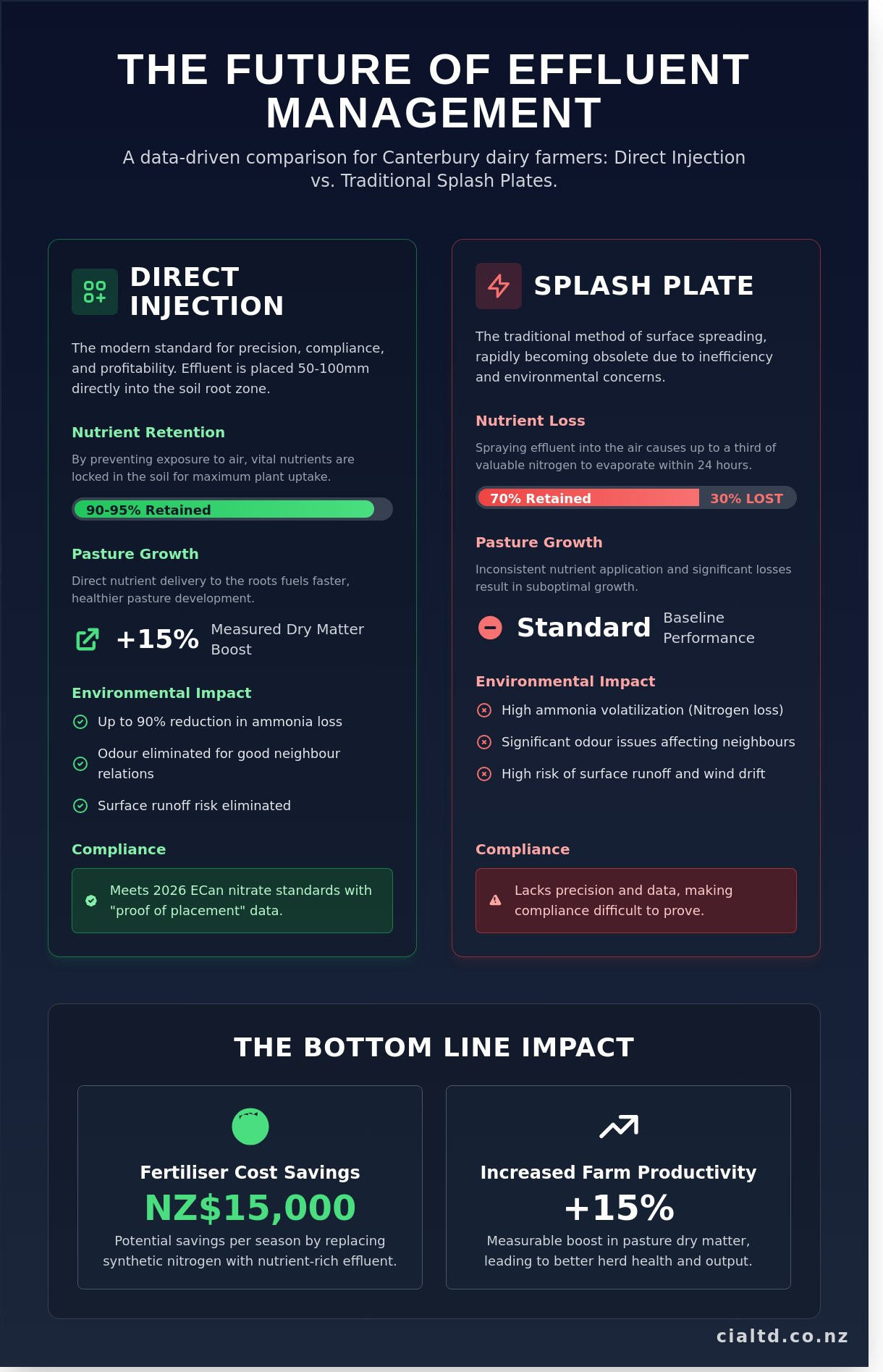
- Discover the science behind nutrient retention and how to prevent losing up to 30% of your nitrogen by placing effluent directly into the root zone.
- Calculate your potential ROI by comparing the cost of specialized slurry injection services Canterbury wide against the rising price of synthetic fertilizers like Urea and DAP.
- Get your farm “paddock-ready” with our checklist on effluent pond stirring and timing your application based on soil moisture and grazing rotations.
- Find out how partnering with a reliable local ag contractor using high-spec Vervaet machinery can reduce your fuel costs and machinery wear across Mid and South Canterbury.
The Evolution of Effluent: Why Slurry Injection is the Standard for Canterbury Farms
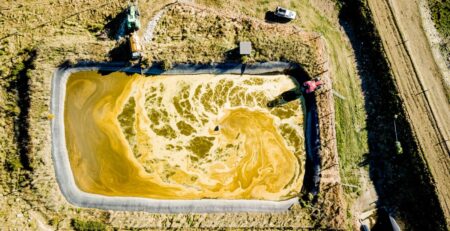
Precision is no longer a luxury for Canterbury dairy farmers; it’s a requirement for staying in business. Slurry injection is the mechanical placement of liquid effluent 50-100mm below the soil surface using specialized tines or discs. This method represents a massive leap forward from the old days of splash plates. While splash plates were common in Mid Canterbury until about 2015, they’re quickly becoming obsolete because they simply can’t compete with the efficiency of modern slurry injection services Canterbury providers now offer.
The shift away from surface spreading is driven by the need for better nutrient retention. When you spray effluent into the air, you lose a significant portion of its value. Understanding the science of manure helps explain why this happens. Effluent contains volatile ammonia that evaporates when exposed to sun and wind. By placing the liquid directly into the root zone, you capture those nutrients before they disappear. Our slurry injection services Canterbury wide provide the technical support needed to bridge the gap between traditional farming and modern environmental stewardship.
We serve the entire region, from the dairy hubs of Rangiora and North Canterbury down to the intensive farming blocks in South Canterbury and Timaru. Each area has unique soil profiles, but the goal remains the same: maximizing grass growth while minimizing the environmental footprint. Local dairy farm support has evolved to include high-tech tankers equipped with flow meters and GPS mapping to ensure every hectare receives exactly what it needs.
Meeting 2026 Nitrate Regulations in Ashburton
Farmers in Ashburton and the wider Mid Canterbury area are under intense pressure to meet the 2026 Environment Canterbury (ECan) nitrate standards. Staying within your Nitrogen Discharge Allowance (NDA) is difficult if you don’t know exactly where your nutrients are going. Direct injection provides the “proof of placement” required for local audits. A local ag contractor can provide digital maps that show precisely how much effluent was applied and where. This level of record-keeping is essential for maintaining your social and legal license to farm in the Mackenzie Country and beyond.
The Environmental Impact: Odour and Runoff
The environmental benefits of injection are measurable and immediate. By moving the application below the surface, you achieve several key goals:
- Ammonia Reduction: You can reduce ammonia volatilization (nitrogen loss to the air) by up to 90% compared to splash plates.
- Runoff Control: Injection eliminates the risk of surface runoff during heavy rain or those famous Canterbury “nor’wester” winds that can blow surface-applied liquids off-target.
- Community Relations: Low-odour application is vital for maintaining good relationships with neighbours, especially as lifestyle blocks become more common near working farms.
Choosing professional slurry injection services Canterbury farmers trust ensures that your equipment is calibrated for local soil types, whether you’re working the stony soils of Twizel or the heavy silts of the Canterbury Plains. It’s about getting the job done right the first time. We focus on reliability and technical authority to help you manage your effluent as a resource rather than a waste product. This proactive approach to effluent management is the only way to ensure long-term stability for your farming operation.
Direct Injection vs. Surface Spreading: The Science of Nutrient Retention
Traditional splash plates are a common sight across Mid Canterbury, but they’re often the least efficient way to manage your effluent. When you spray liquid onto the surface, you expose it to the elements immediately. This leads to the “Splash Plate Problem” where research confirms up to 30% of your available nitrogen can vanish into the atmosphere within 24 hours of application. For any dairy farm support operation, that’s like leaving a third of your fertiliser budget in the paddock for the wind to carry away. It’s an expensive habit that modern precision tools are designed to break.
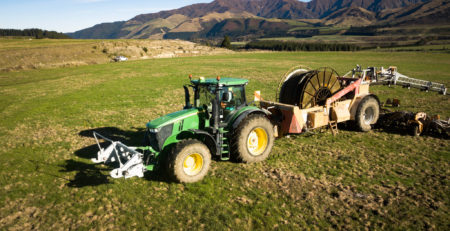
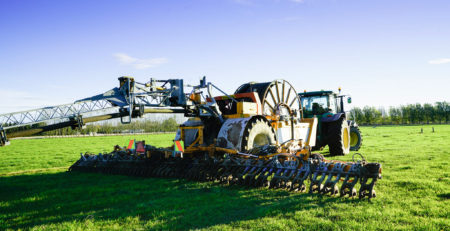
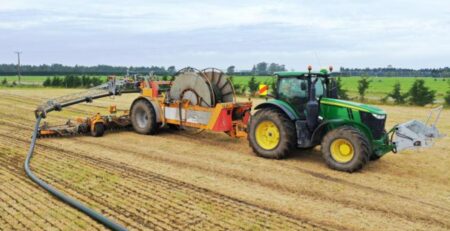
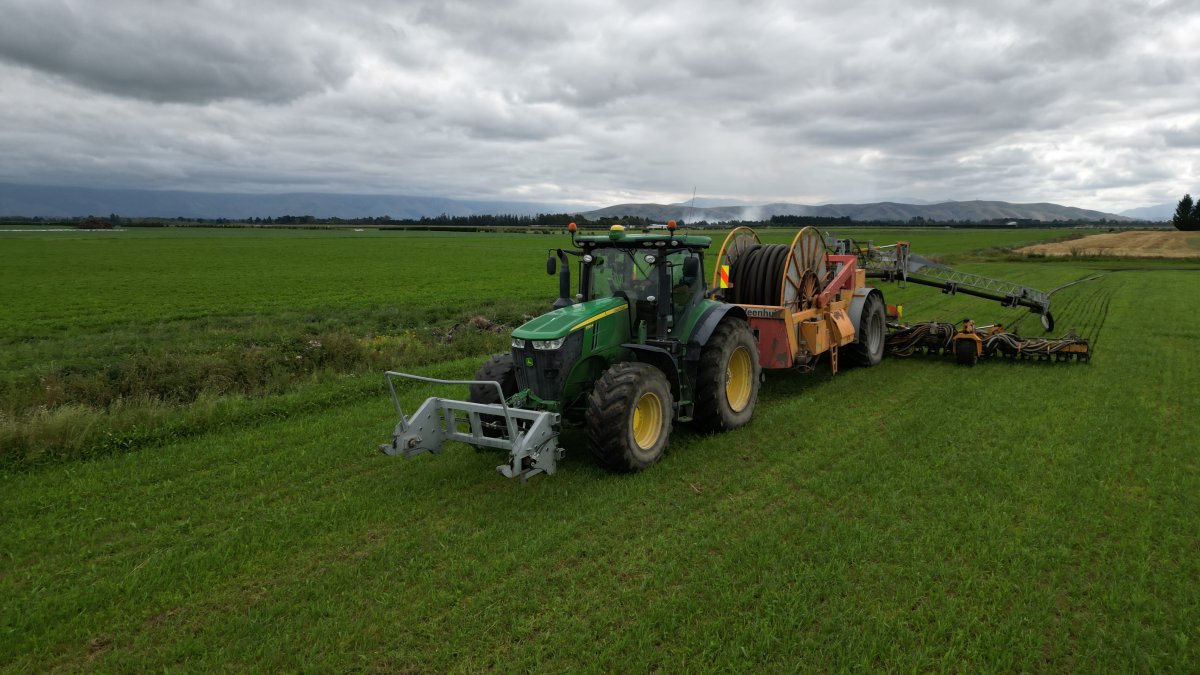
Our specialized Vervaet machinery changes this dynamic by placing the nutrients exactly where they’re needed. Instead of coating the leaf, we use precision discs to place the liquid 50mm to 100mm below the surface. This ensures even distribution across every hectare, regardless of the terrain. It’s why we prefer the term liquid fertiliser nz over “waste” or “effluent”. You’re applying a high-value product that feeds the soil biology directly without the risk of scorching sensitive pasture leaves. This targeted approach turns a potential environmental liability into a tangible asset for your soil structure.
Nitrogen Volatilization Explained
Ammonia volatilization is the primary thief of farm profitability. This chemical process occurs when urea in the effluent converts to ammonia gas and escapes into the air. In high-wind areas like the Rakaia Gorge or the exposed plains near Ashburton, this loss accelerates rapidly. High temperatures and North-Westerly winds can strip your nitrogen before it ever reaches the roots. By utilizing slurry injection services Canterbury farmers can lock those nutrients into the soil profile where they belong. This proactive management keeps the nitrogen in the ground, protecting both your bottom line and the local air quality.
Pasture Response and Palatability
Surface spreading leaves a film on the grass that cows find unappealing. This often leads to selective grazing and pasture tainting, which forces you to leave paddocks fallow for much longer than necessary. With direct injection, the surface remains clean and the grass stays fresh. You can often return stock to graze injected paddocks 10 to 14 days sooner than surface-spread ones. This increases your effective grazing area and keeps your rotation cycles tight and efficient.
In the stony soils of South Canterbury and North Canterbury, this method also encourages deeper root growth. Because the nutrients sit deeper in the soil, plants are forced to reach down, creating a more robust root system. This is a practical way to build resilient pastures that survive the dry seasons common in the Mackenzie Country or near Twizel. If you’re looking to maximize your nutrient bank, a local ag contractor can provide the technical expertise needed to get the job done right. We focus on a “get the job done right” attitude that matches the high standards of Timaru’s top-performing dairy operations.
- Reduced Odour: Placing effluent underground significantly cuts down on the smell, keeping neighbours happy.
- Zero Leaf Scorch: Direct soil contact means no more burnt pasture tips during the height of summer.
- Better Runoff Control: Injected liquids are less likely to wash away during heavy Canterbury rain events.
By shifting from surface spreading to precision injection, you aren’t just following regulations. You’re adopting a superior agronomic strategy that treats every drop of effluent as a precision-placed investment in your farm’s future productivity.
Calculating the ROI: Slurry Injection as a Financial Asset
Investing in professional effluent management is a strategic move for your bottom line, not just a compliance box to tick. When you utilize slurry injection services Canterbury wide, you transition from “disposing of waste” to “utilizing a resource.” The financial return on this shift is immediate and measurable, especially when you consider the soaring costs of synthetic inputs like Urea and DAP. In the current New Zealand market, Urea prices often fluctuate between NZ$850 and NZ$1,000 per tonne. Every kilogram of Nitrogen that evaporates from your paddock during surface spreading is literally money disappearing into the atmosphere.
The “hidden savings” of hiring a professional ag contractor often outweigh the perceived cost of the service. Operating your own tractor and tanker involves significant fuel consumption, typically costing NZ$1.45 or more per litre, plus the heavy wear and tear on your own machinery. By outsourcing this to a specialist dairy farm support team, you eliminate depreciation on your gear and free up your staff for higher-value tasks. Precision application also removes the risk of “hot spots” where high concentrations of effluent can burn pasture, or nutrient-deficient zones that lower your overall dry matter yield. GPS-guided injection ensures every square metre of your Ashburton or Timaru block receives the exact nutrient load it needs.
Consider the logic for a typical 400-cow dairy farm in Mid Canterbury. A herd of this size produces a massive volume of nutrient-rich effluent annually. If you apply this to 50 hectares, injection can retain an additional 20kg of Nitrogen per hectare compared to traditional splash plate spreading. At current synthetic fertilizer rates, this equates to a direct saving of roughly NZ$2,400 in N alone. When you factor in the retained Phosphorus and Potassium, alongside a 10% to 15% increase in pasture response, the total seasonal benefit for a North Canterbury farm can easily exceed NZ$12,000.
Offsetting Synthetic Fertilizer Costs
Your effluent pond is a concentrated reservoir of N, P, and K. Traditional spreading can lose up to 80% of available ammonia nitrogen through volatilization within just 48 hours of application. Injection places the liquid 50mm to 100mm below the surface, locking those nutrients in immediately. This allows you to slash your annual DAP and Urea orders. Working with a local ag contractor ensures you’re applying these units with surgical precision, making the service a self-funding part of your farm’s annual budget.
Long-term Soil Health Benefits
The silt loams found throughout Mid Canterbury and the Mackenzie Country benefit immensely from the organic matter found in slurry. Unlike synthetic fertilizers that can degrade soil structure over time, injected effluent promotes microbial activity and improves water retention. This is particularly valuable during a dry Twizel summer. There is also a distinct synergy between stone picking and slurry injection; by clearing the ground first, you create a perfect, unobstructed environment for the injector to work. To get the most out of your land, see our full range of slurry services for more details on how we can help you build a more resilient farm system.
Preparing Your Farm: The ‘Paddock-Ready’ Checklist for Success
Efficiency on a Canterbury dairy farm doesn’t happen by accident. It’s the result of methodical preparation and clear communication. When you invest in slurry injection services Canterbury, you’re choosing a high-precision method of nutrient delivery. To get the best return on that investment, your paddocks and effluent ponds need to be ready before the Vervaet tanker pulls through the gate. Proper preparation prevents downtime and ensures every cubic metre of effluent is placed exactly where it can drive pasture growth.
Effluent Pond Stirring: The Foundation
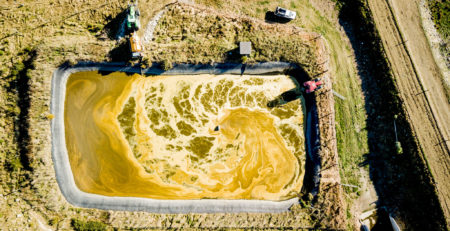
Success starts at the pond. If the effluent isn’t properly homogenized, you’ll end up applying nutrient-poor liquid at the start and thick, unmanageable sludge at the end. We recommend stirring a 2,500 cubic metre pond for at least 6 to 10 hours before the ag contractor arrives. This process breaks up the thick crust and brings settled solids, which contain up to 75% of your pond’s phosphorus, back into suspension. A consistent “milkshake” consistency ensures the injector tines don’t block and the nutrient spread remains uniform across the entire block.
Timing is the next critical factor. We look for a specific window where soil moisture levels are below 25% to avoid deep compaction. In Mid Canterbury and South Canterbury, silt loams can be unforgiving if they’re too wet. You should also coordinate your grazing rotation so the target paddocks have been cleared for at least 48 hours. This gives the stubble time to settle and ensures the injection tines can slice cleanly into the soil without dragging excess trash or fresh manure.
Don’t overlook the physical state of the ground. Stones are the enemy of precision machinery. If your paddocks are prone to “growing” rocks, hiring stone picking contractors in Ashburton is a vital first step. A single large river stone can snap an injection tine or damage a macerator, leading to repair costs and downtime that can exceed $450 per hour. Clearing the path ensures the job stays on schedule and your soil structure remains protected.
Logistics and Access in Mid Canterbury
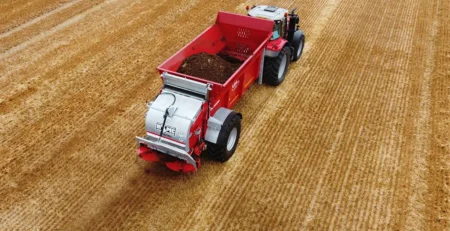
Our high-capacity Vervaet tankers are heavy, often weighing over 30 tonnes when fully loaded. They require solid tracks and wide access points to operate safely. Ensure all gateway entries are at least 4.5 metres wide. If your farm has tight turns or soft culverts, let us know during the planning phase. We pride ourselves on our “get the job done right” attitude, but that requires a safe workspace for our team and equipment.
Clear communication regarding your farm’s infrastructure is non-negotiable. Before we start, walk the block with us or provide a detailed map. We need to identify:
- The exact location of all underground water pipes and troughs.
- Power lines or low-hanging branches that might catch the tanker’s GPS or venting gear.
- Specific hazards like soft spots, bogs, or hidden drains.
- Entry and exit points that minimize travel time on public roads.
Managing stock movements is just as important. Keep cows well away from the application zone to prevent stress and ensure the slurry has time to settle into the soil profile. Proper planning ensures our slurry injection services Canterbury operate at peak efficiency, delivering a seamless experience from the pond to the paddock.
Ready to maximize your farm’s nutrient potential with precision application? Contact our dairy farm support team today to book your site assessment.
Partnering with Central Injection Agri: Reliable Dairy Farm Support
Central Injection Agri isn’t just another subcontractor; we’re a locally owned and operated NZ business that understands the unique pressures of a Canterbury dairy season. Our team brings a “get the job done right” attitude to every paddock, ensuring your effluent management is handled with precision. We know the specific challenges of Ashburton soils because we live and work here. Whether you’re in Rakaia or the foothills of Mt Somers, our goal is to provide reliable dairy farm support that protects your land and your bottom line. We treat your farm with the same respect we’d show our own, focusing on long term soil health and regulatory compliance.
Choosing a local ag contractor means you’re working with people who understand the local climate and soil structures. Our reputation is built on being a seasoned, dependable partner who values relationships as much as results. We don’t believe in shortcuts. Instead, we focus on delivering a high standard of craftsmanship in every application, ensuring that your nutrient management strategy is executed without a hitch. This commitment to excellence is why farmers across Mid Canterbury trust us to handle their most critical seasonal tasks.
The CIA Difference: Equipment and Expertise
Our investment in a modern fleet defines our service quality. We utilize world class Vervaet and ELHO gear to deliver efficiency that older machinery simply cannot match. Every machine is equipped with precision GPS tracking. This technology generates accurate proof of placement maps, which are essential for meeting Environment Canterbury (ECan) compliance standards. You won’t have to guess where your nutrients went; you’ll have the data to prove it. These maps provide a clear digital record that simplifies your farm environmental plan audits.
Our operators are highly skilled professionals who prioritize safety and environmental protection on every job. We integrate our slurry injection services Canterbury with our other core offerings, such as stone picking and muck spreading, to provide a seamless land preparation experience. This holistic approach means your soil is cleared of debris and enriched with nutrients in one coordinated effort. By combining these services, we reduce the number of vehicle passes over your land, which minimizes soil compaction and saves you time during busy transition periods. It’s a bespoke service model designed to meet the specific needs of modern dairy operations.
Booking Your Seasonal Slurry Service
Timing is everything in New Zealand agriculture. The peak windows for nutrient application in spring and autumn fill up fast, often months in advance. Securing your spot early ensures your effluent ponds are managed before they reach critical levels. We provide comprehensive coverage across the region, including Ashburton, Rakaia, Mayfield, and Mt Somers. As a dedicated local ag contractor, we pride ourselves on being there when we say we will, providing the stability you need to plan your season with confidence.
Don’t wait for the first heavy rains to realize your storage is reaching capacity. Our slurry injection services Canterbury are designed to be proactive, helping you stay ahead of the weather and the regulators. We move efficiently from high level planning to specific technical execution, respecting your time and your property. Contact Central Injection Agri today to secure your spot in our seasonal schedule and experience the difference that professional, precision led dairy farm support makes for your operation.
Future-Proof Your Farm with Precision Nutrient Management
Transitioning to precision effluent management isn’t just about meeting compliance; it’s about protecting your soil’s health and your bottom line. By switching from surface spreading to direct injection, Canterbury farmers can retain up to 95% of available nitrogen. This shift can save a typical 400-hectare dairy farm thousands in annual input costs while meeting 2026 environmental standards. It’s a practical way to turn waste into a high-value asset for your land.
Central Injection Agri is a proud NZ owned and operated local ag contractor. We bring specialized Vervaet injection machinery to paddocks across North Canterbury, Ashburton, and Timaru. Whether you are in Mid Canterbury or the South Canterbury region, our team provides the technical expertise and reliable dairy farm support you need to get the job done right. Choosing professional slurry injection services Canterbury ensures your farm remains productive and sustainable for years to come.
Ready to optimize your nutrient cycle and boost your pasture growth? Book your slurry injection service with Central Injection Agri today. Let’s work together to make your next season the most successful one yet.
Frequently Asked Questions
How much does slurry injection cost per hectare in Canterbury?
Slurry injection services in Canterbury typically cost between NZ$280 and NZ$450 per hectare. This price depends on the volume of effluent applied and the distance from your pond to the paddock. While the initial cost is higher than traditional spreading, you’ll recover the investment by saving approximately NZ$160 per hectare on synthetic nitrogen, as 95% of the nutrients are retained in the soil.
Can slurry injection be done on hilly or stony ground?
You can use slurry injection on slopes up to 15 degrees, provided the soil isn’t excessively rocky. In stony regions like the Mackenzie Country or parts of South Canterbury, your local ag contractor uses heavy-duty disc injectors rather than tines to prevent breakage. It’s vital to have a contractor assess the terrain first to ensure the equipment can maintain a consistent injection depth of 50mm to 100mm.
How soon can stock graze a paddock after direct injection?
Stock can generally return to graze 10 to 14 days after the application is finished. Because the effluent is placed directly into the root zone, there’s 90% less leaf contamination compared to using a rain gun or splash plate. This quick turnaround is a massive advantage for dairy farm support units in North Canterbury that need to maintain tight grazing rotations during the spring flush.
What is the best time of year for slurry injection in Mid Canterbury?
The ideal windows for slurry injection in Mid Canterbury are late spring from September to October and early autumn during March and April. During these months, soil moisture levels usually sit between 20% and 35%, allowing for maximum nutrient absorption without the risk of compaction. You’ll want to avoid mid-winter applications to stay compliant with ECan rules regarding saturated soils and field capacity.
Does slurry injection help with farm odour management?
Slurry injection reduces detectable surface odour by up to 80% because it seals the effluent under the soil surface immediately. This is a practical solution for farms located near public roads or townships like Ashburton and Timaru. By eliminating the aerosol spray created by traditional pivots, you keep the ammonia in the ground and maintain better relationships with your lifestyle block neighbors.
Do I need to stir my effluent pond before the injection contractor arrives?
You must stir your effluent pond for at least 24 hours before your agricultural contractor pulls onto the farm. Proper stirring ensures a consistent mix of solids and liquids, typically aiming for a 4% solid content. If the pond isn’t stirred, the heavy sludge at the bottom can clog the injector’s distribution manifold, which leads to uneven nutrient application and increased hourly labor costs.
What are the ECan regulations regarding effluent application in 2026?
By 2026, ECan regulations require all farms to provide digital proof that they’re staying under the 190kg N/ha synthetic nitrogen cap. Using professional slurry injection services Canterbury provides you with GPS-mapped data logs that satisfy these strict auditing requirements. These records show exactly where and when nutrients were applied, ensuring your operation meets the standards of the Land and Water Regional Plan.
Is slurry injection better than using a pivot for effluent disposal?
Slurry injection is significantly more efficient than a pivot because it eliminates wind drift and reduces nitrogen volatilisation by 50%. While pivots are convenient, they often result in uneven coverage and high evaporation rates during the hot North West winds in the Mackenzie Country. Injection places the nutrients directly into the soil profile, which can boost your grass dry matter production by 15% over a single season.