Managing Farm Effluent and Avoid Costly RMA penalties
Managing Farm Effluent: How Central Injection Agri Helps Farmers Avoid Costly RMA Penalties
New Zealand’s agricultural sector faces increasingly stringent environmental regulations, with the Resource Management Act (RMA) imposing significant penalties on farms that fail to properly manage their effluent systems. For dairy farmers and livestock operations across the country, poor effluent management can result in fines reaching tens of thousands of dollars, prosecution, and serious damage to their farming reputation. Partnering with specialised agricultural contractors like Central Injection Agri offers a practical solution to ensure compliance while maintaining operational efficiency.
Understanding the RMA Compliance Challenge
The Resource Management Act places strict requirements on how farms handle animal waste and nutrient runoff. Non-compliance can trigger penalties ranging from $15,000 to $300,000 for individuals, with corporate entities facing even steeper fines. Beyond immediate financial costs, RMA violations can lead to consent suspensions, forcing farms to cease operations until remedial measures are implemented.
Common compliance failures include inadequate storage capacity, poor timing of effluent application, applying waste to saturated soils, and insufficient buffer zones around waterways. These violations not only harm the environment but create significant business risks that can threaten farm viability.
The Central Injection Agri Advantage
Central Injection Agri specialises in effluent management services, providing Canterbury farmers with expertise and equipment that ensures both regulatory compliance and optimal nutrient utilisation.
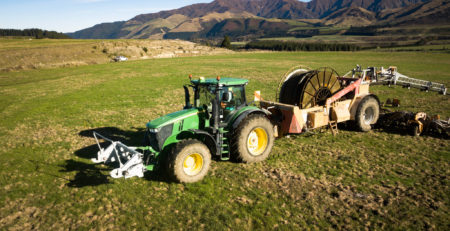
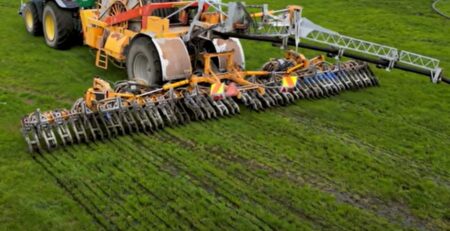
Advanced Equipment and Techniques : Central Injection Agri utilises state-of-the-art injection systems that minimise surface runoff and reduce odor emissions compared to traditional muck spreading methods. This technology allows for more precise nutrient placement while reducing the risk of contamination reaching waterways.
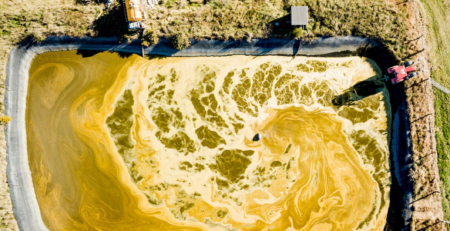
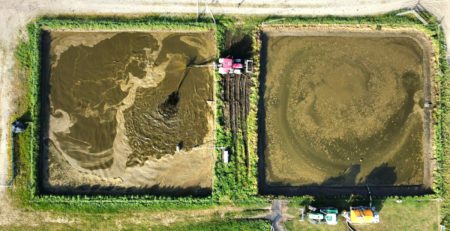
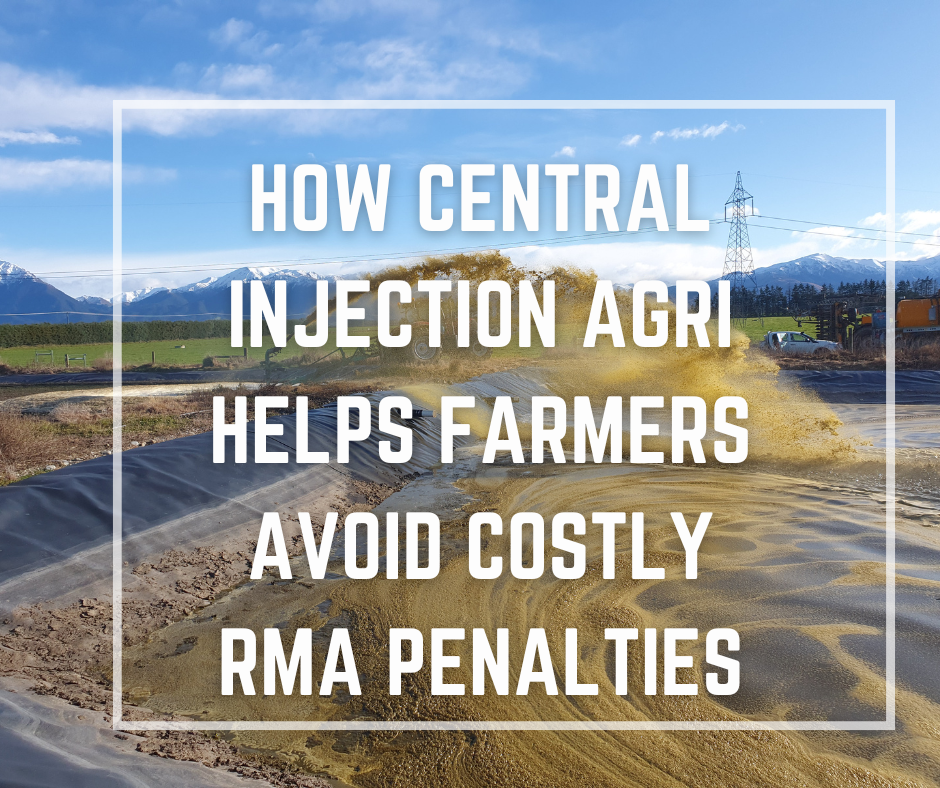
Agitation or Pond Stirring is essential in tanks and ponds, as it makes it easier for manure to be pumped into a slurry tank.
This mixing process creates a more uniform by-product, which can be efficiently spread across paddocks. When the slurry is adequately mixed, it reduces strain on pumps and stirrers, leading to fewer blockages and breakages. This, in turn, enhances the longevity of your equipment, ensuring smoother operations and better overall performance.
Economic Benefits Beyond Compliance
While avoiding RMA penalties is crucial, partnering with Central Injection Agri offers additional economic advantages. Professional effluent management optimises nutrient distribution, reducing the need for expensive commercial fertilisers. Their precise application methods ensure maximum nutrient uptake by crops while minimising losses to the environment.
Conclusion
As environmental regulations continue to tighten and enforcement becomes more rigorous, professional effluent management is becoming essential for sustainable farming operations. Central Injection Agri offers Canterbury farmers a practical solution that transforms a complex compliance challenge into a manageable service contract.
By partnering with experienced agricultural contractors, farmers can focus on their core business while ensuring their effluent management meets all regulatory requirements. The investment in professional services typically pays for itself through avoided penalties, optimised nutrient use, and reduced operational stress. In today’s regulatory environment, professional effluent management isn’t just good practice—it’s essential business protection.